1
2
3
4
5
6
7
8
9
10
11
12
13
14
William Wylie (in collaboration with Nitya Jacob Kallivayalil)
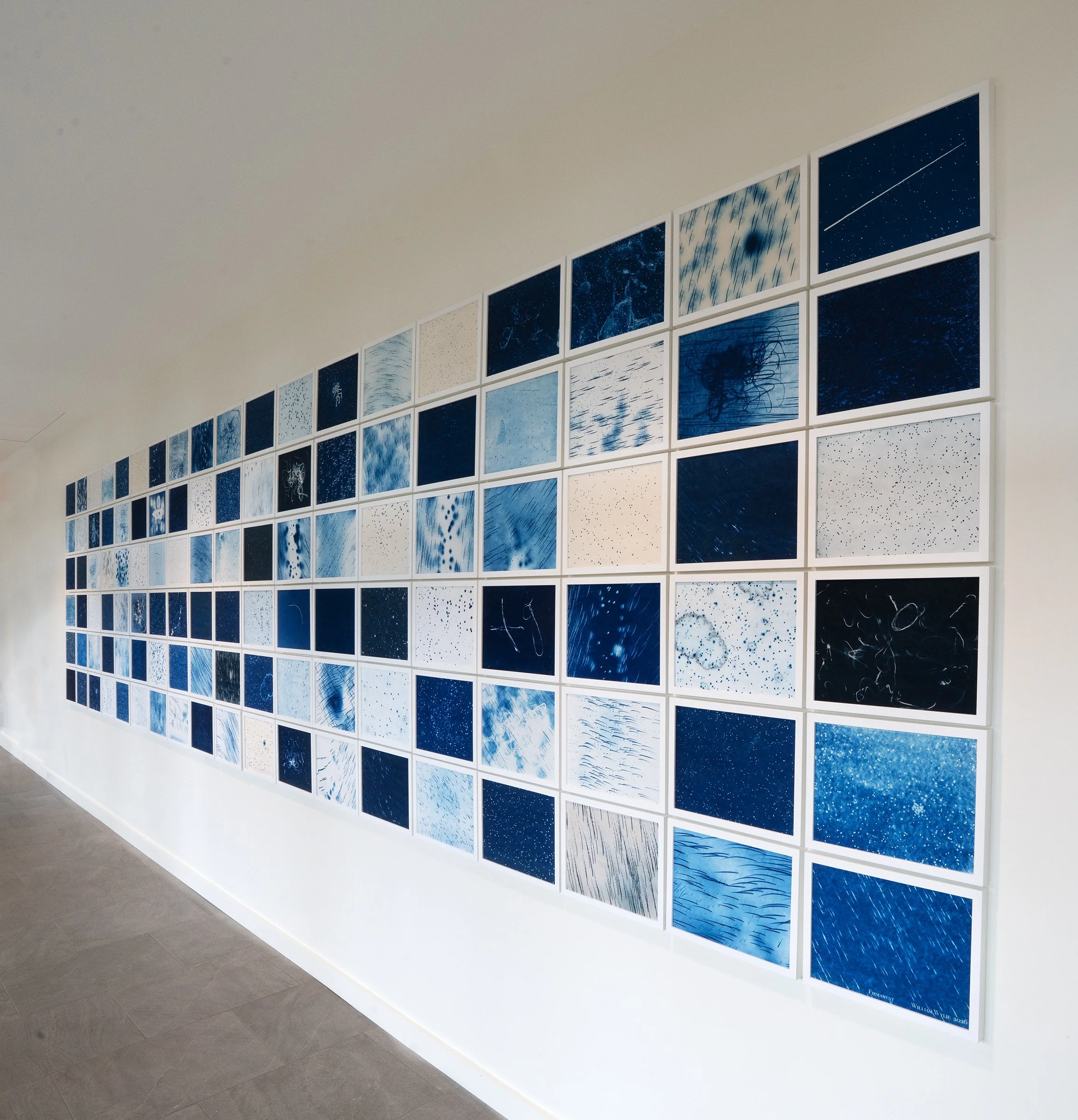
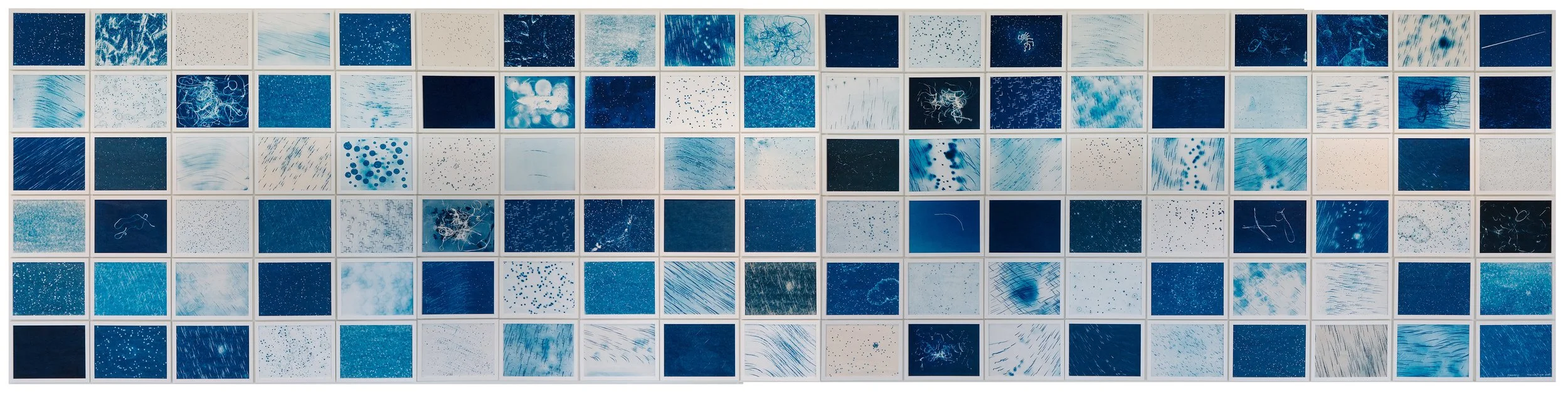
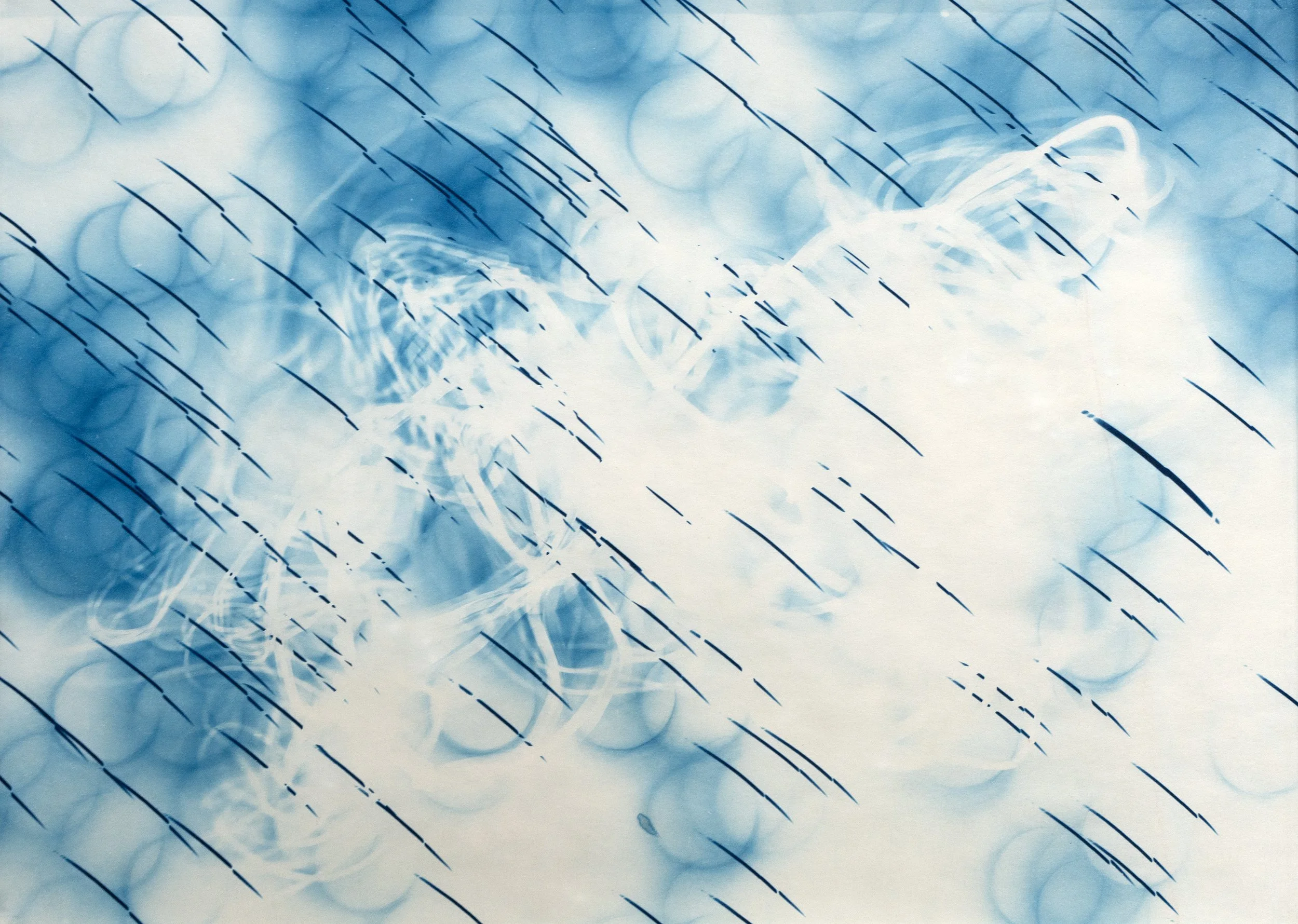
Firmament, 2026
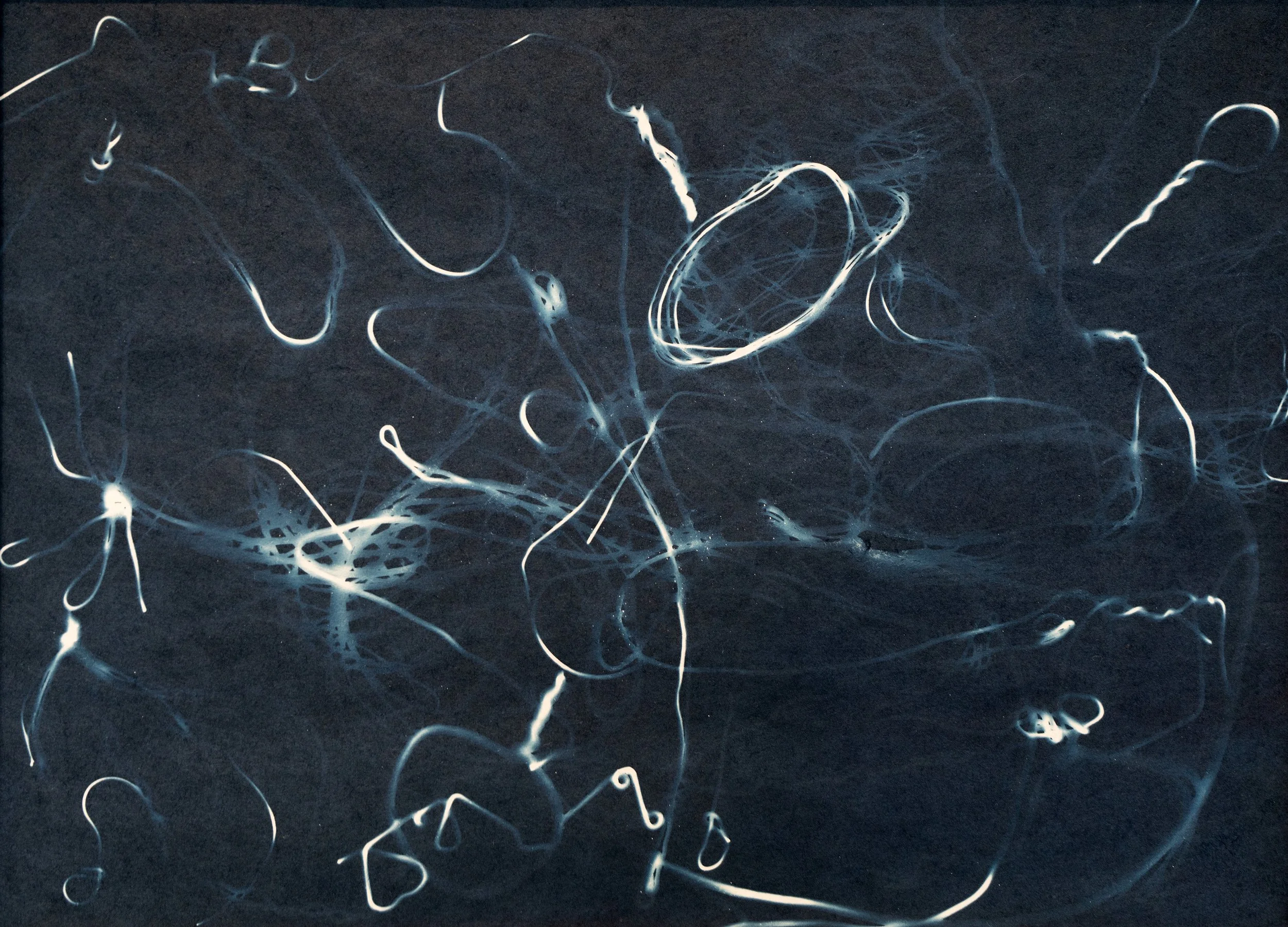
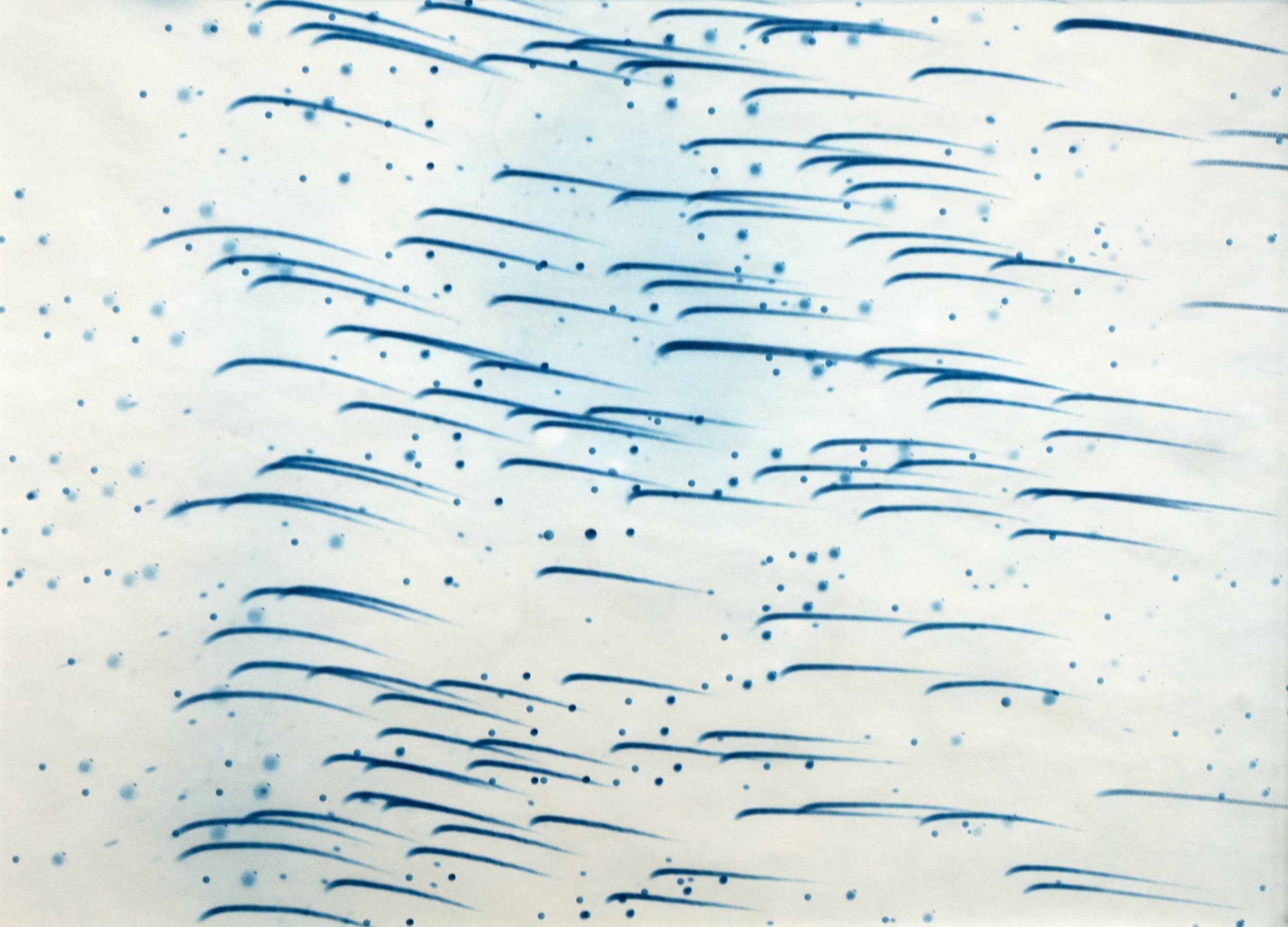
Cyanotype prints
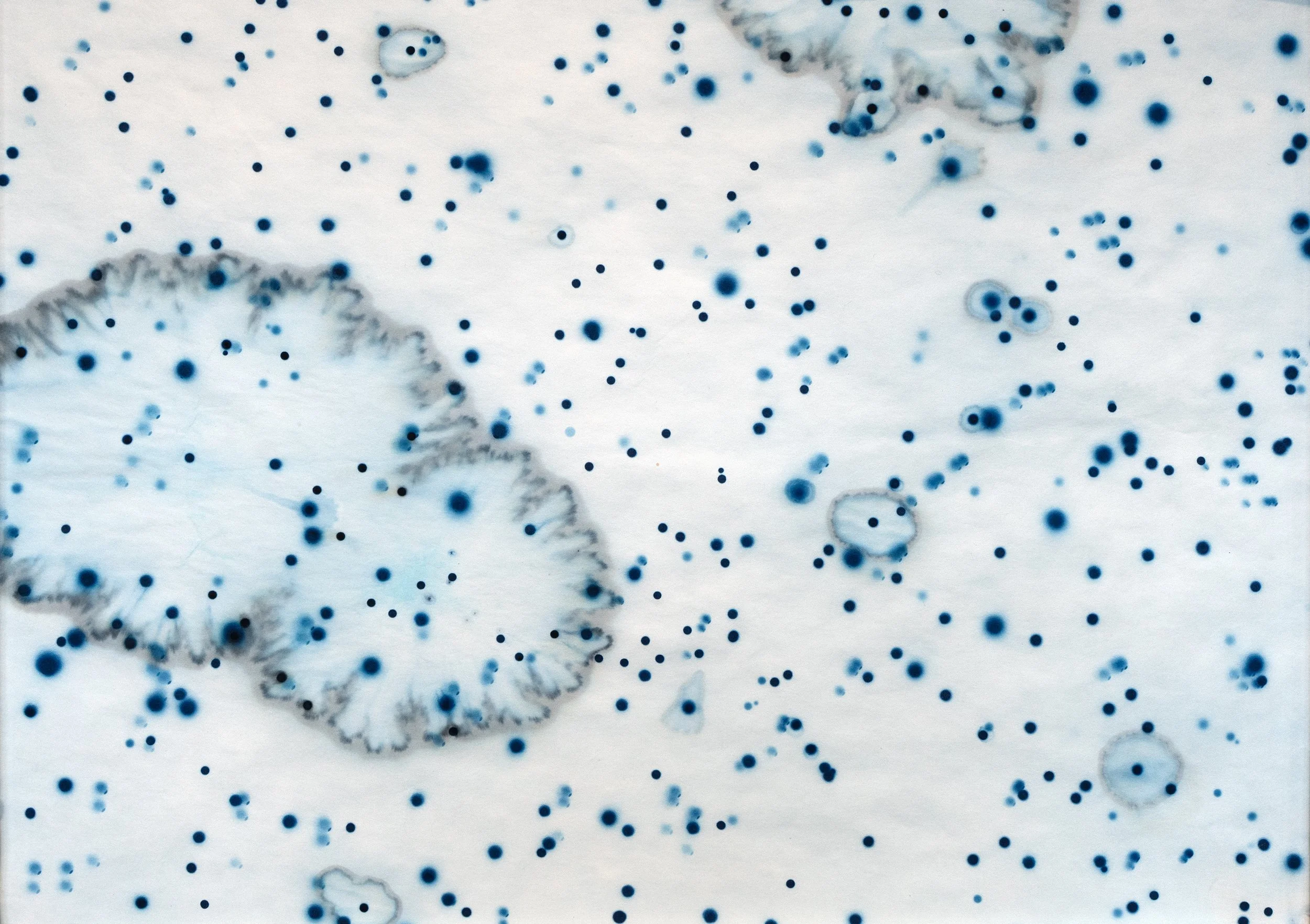
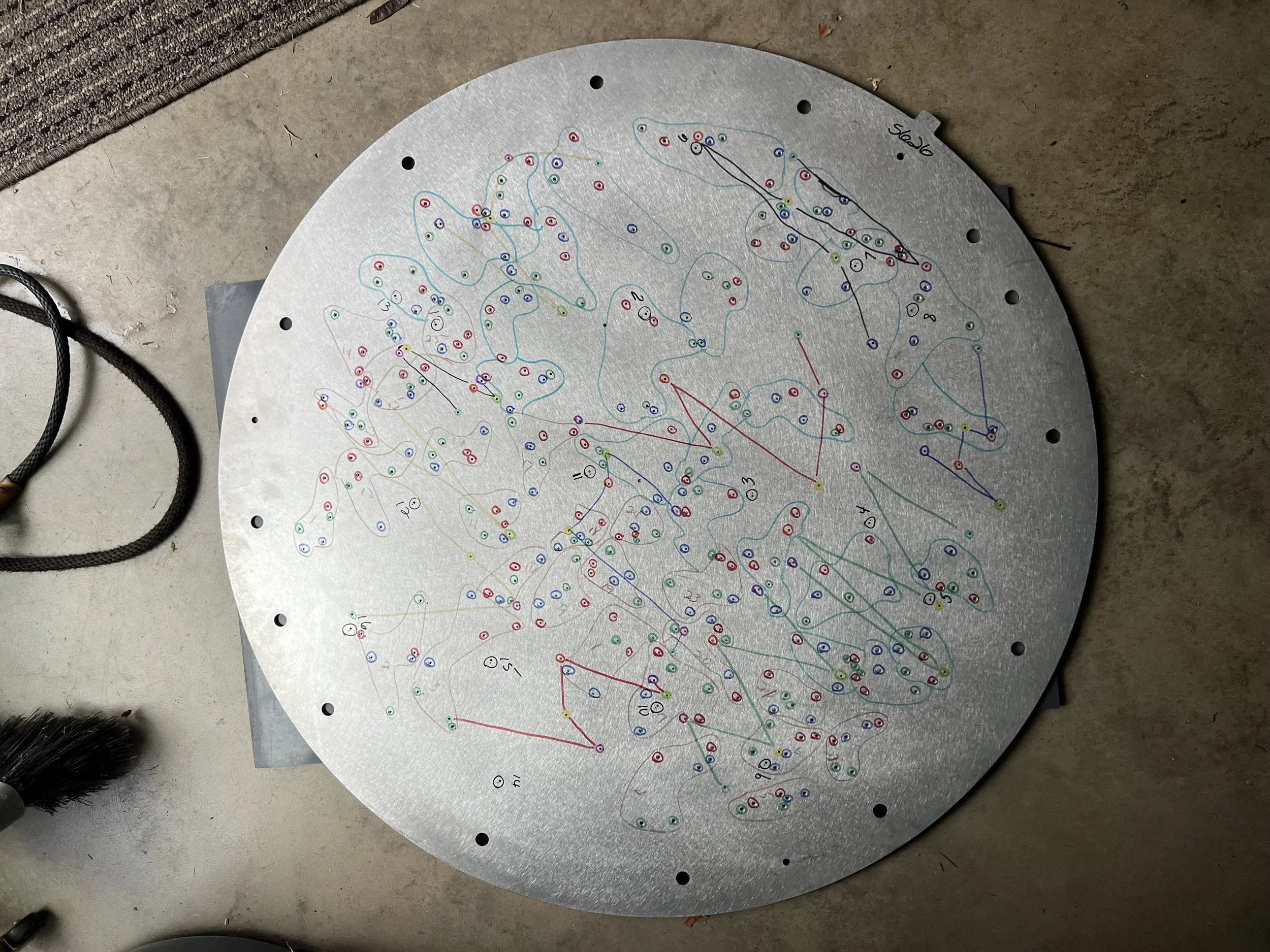
The foundation of Firmament is a series of aluminum plates, used in conjunction with custom high-resolution spectrographs, built at UVA, and deployed on telescopes in New Mexico and Chile, as part of the Sloan Digital Sky Survey (SDSS). Holes drilled into the plates mark the locations of stars that are being targeted by the survey to decode what elements they are made of. These aluminum plates, which are really star charts, having served their purpose, then become artifacts, encoding the scientific process.
Sir John Herschel, a renowned 19th C astronomer, participated in some of photography’s initial experimentation. He coined the terms “negative” and “positive” to refer to the photographic process and in 1842 he developed the cyanotype process, with which he intended to reproduce mathematical tables.
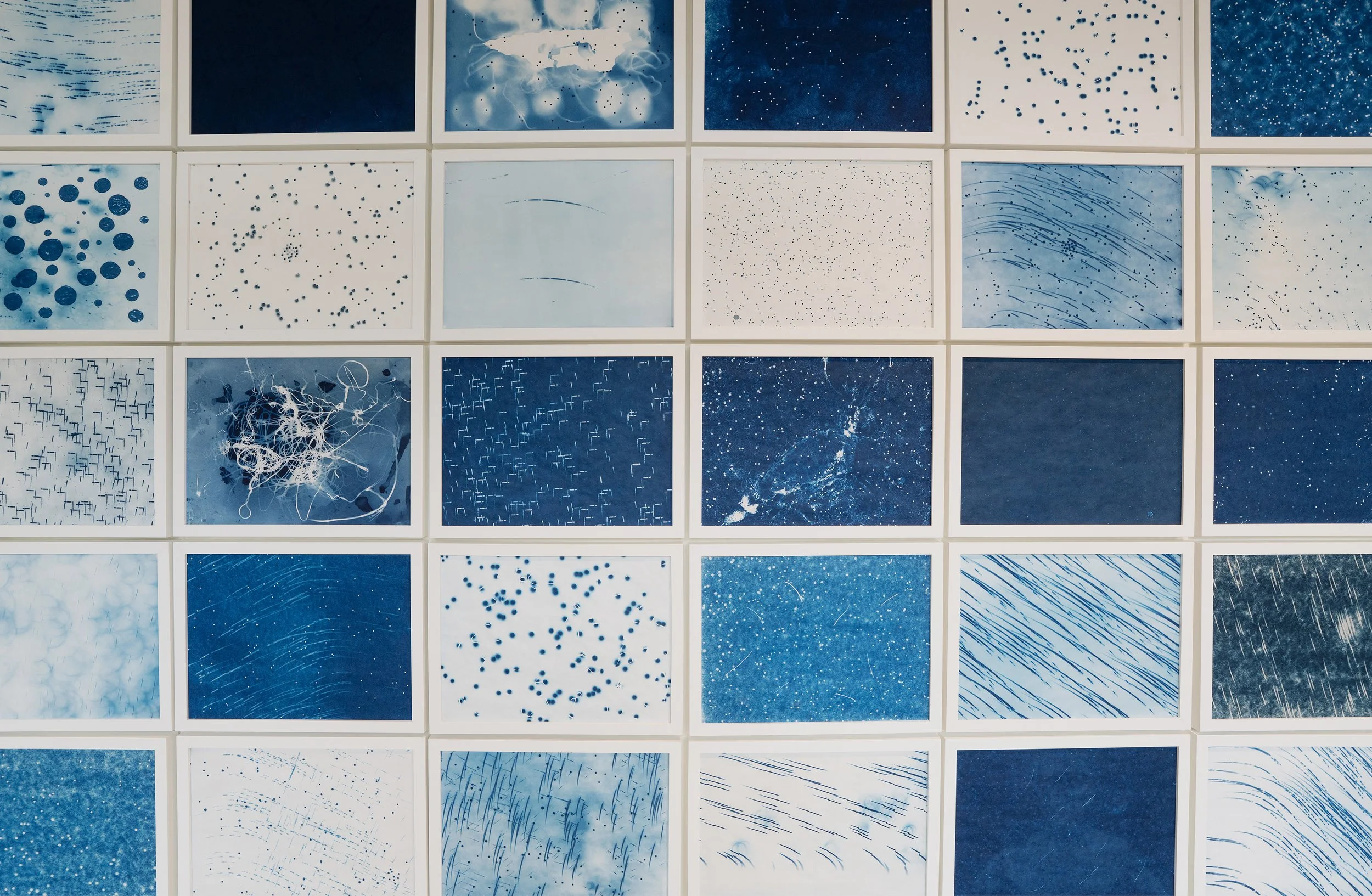
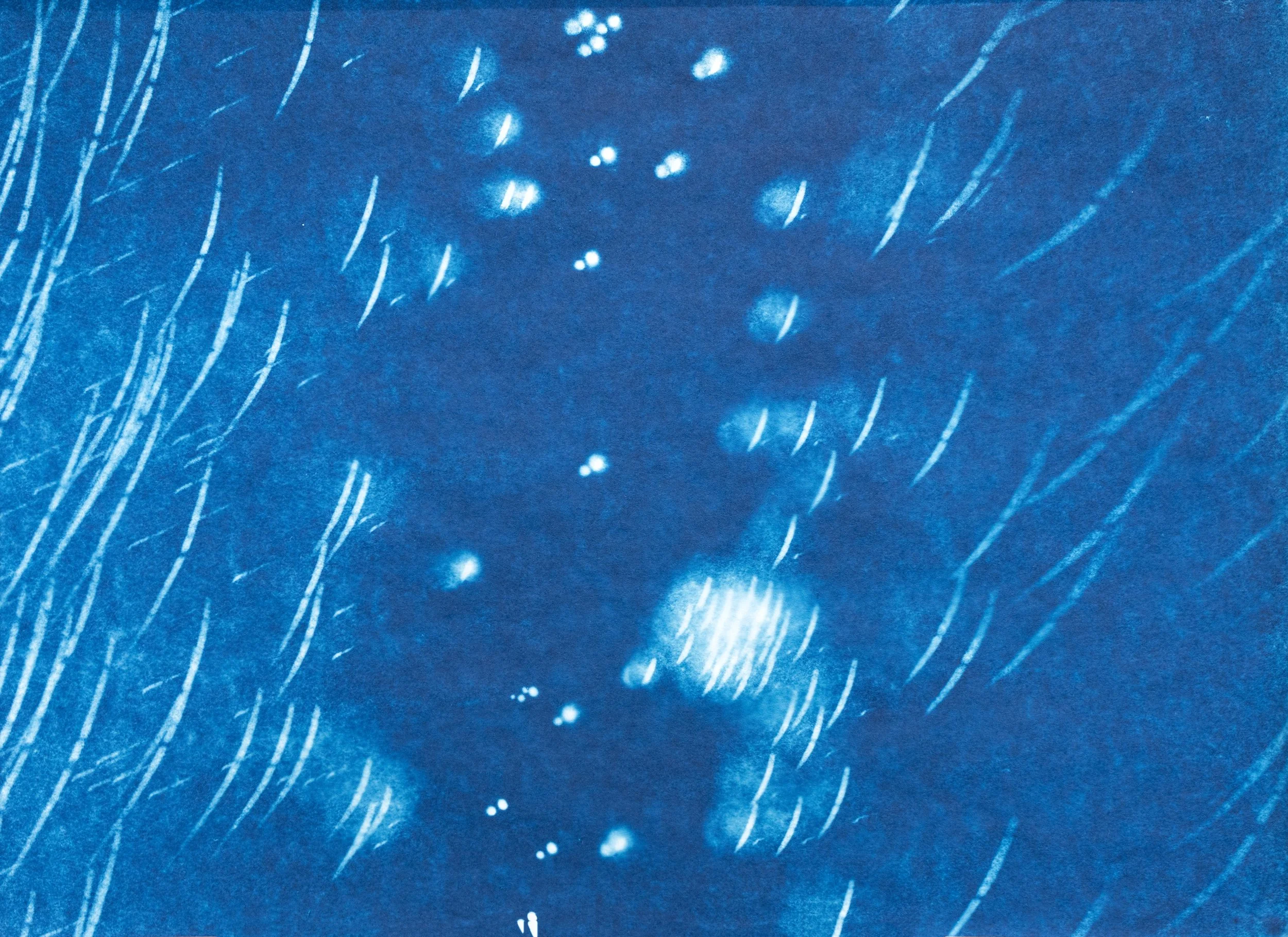
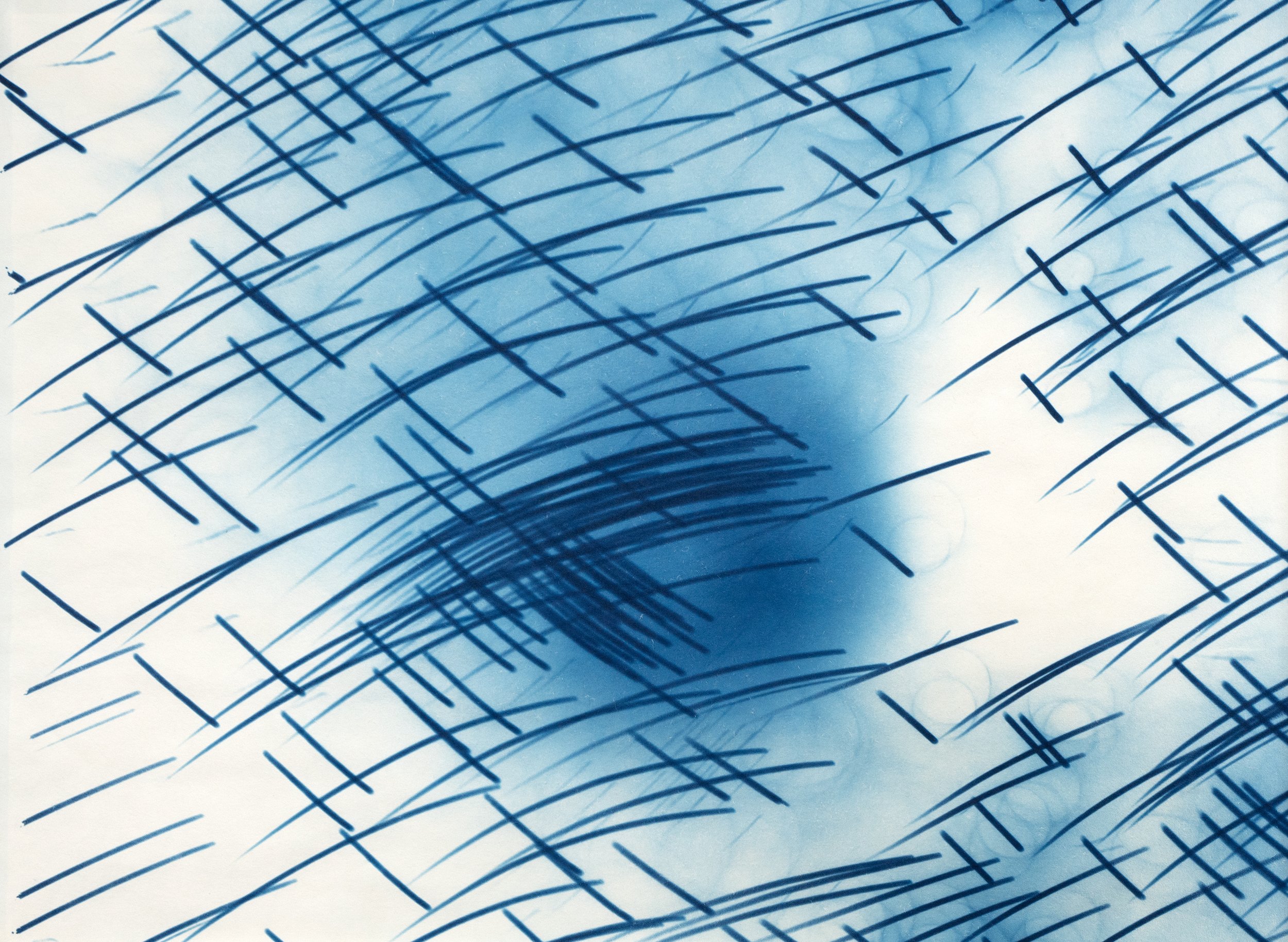
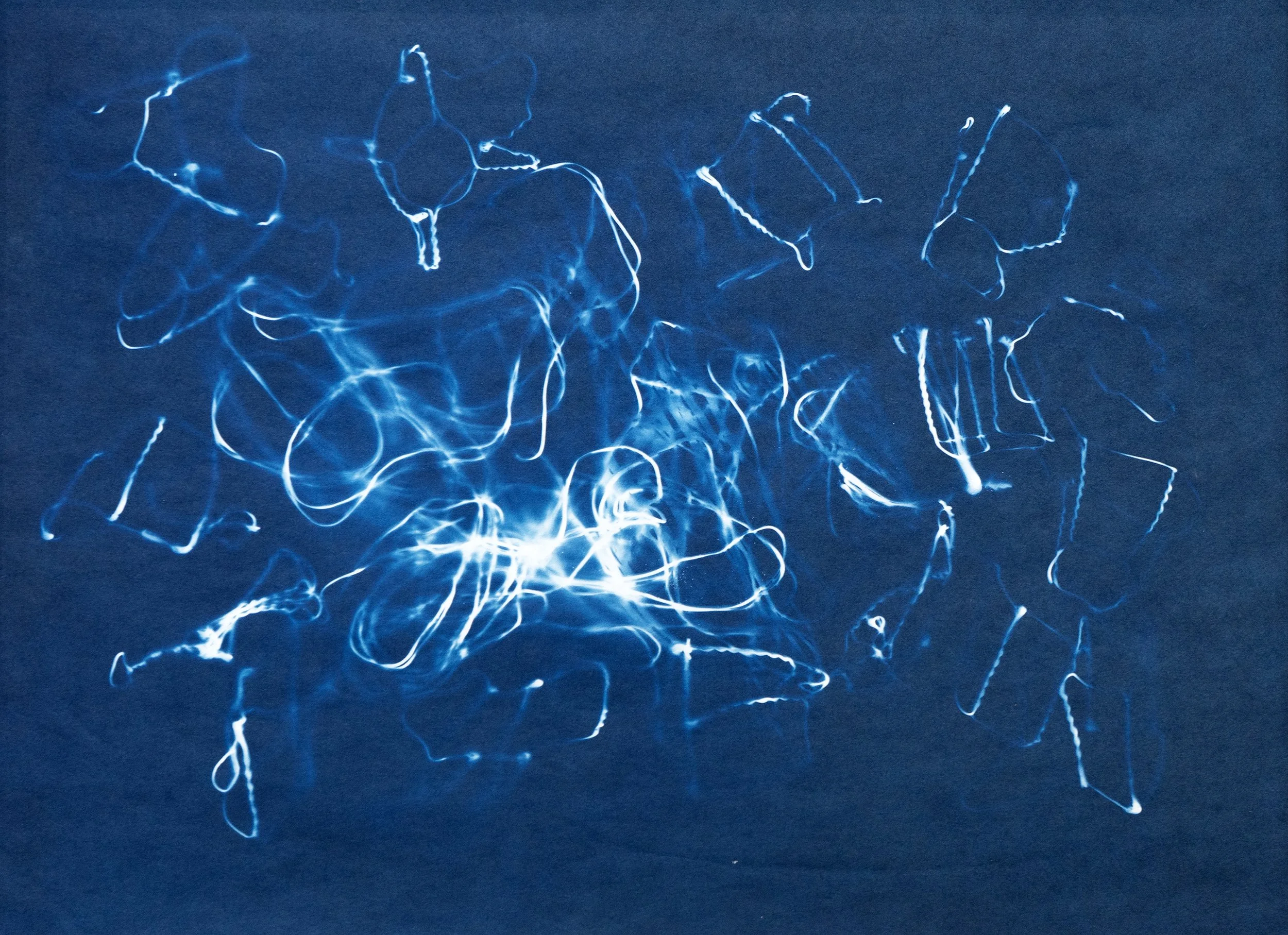
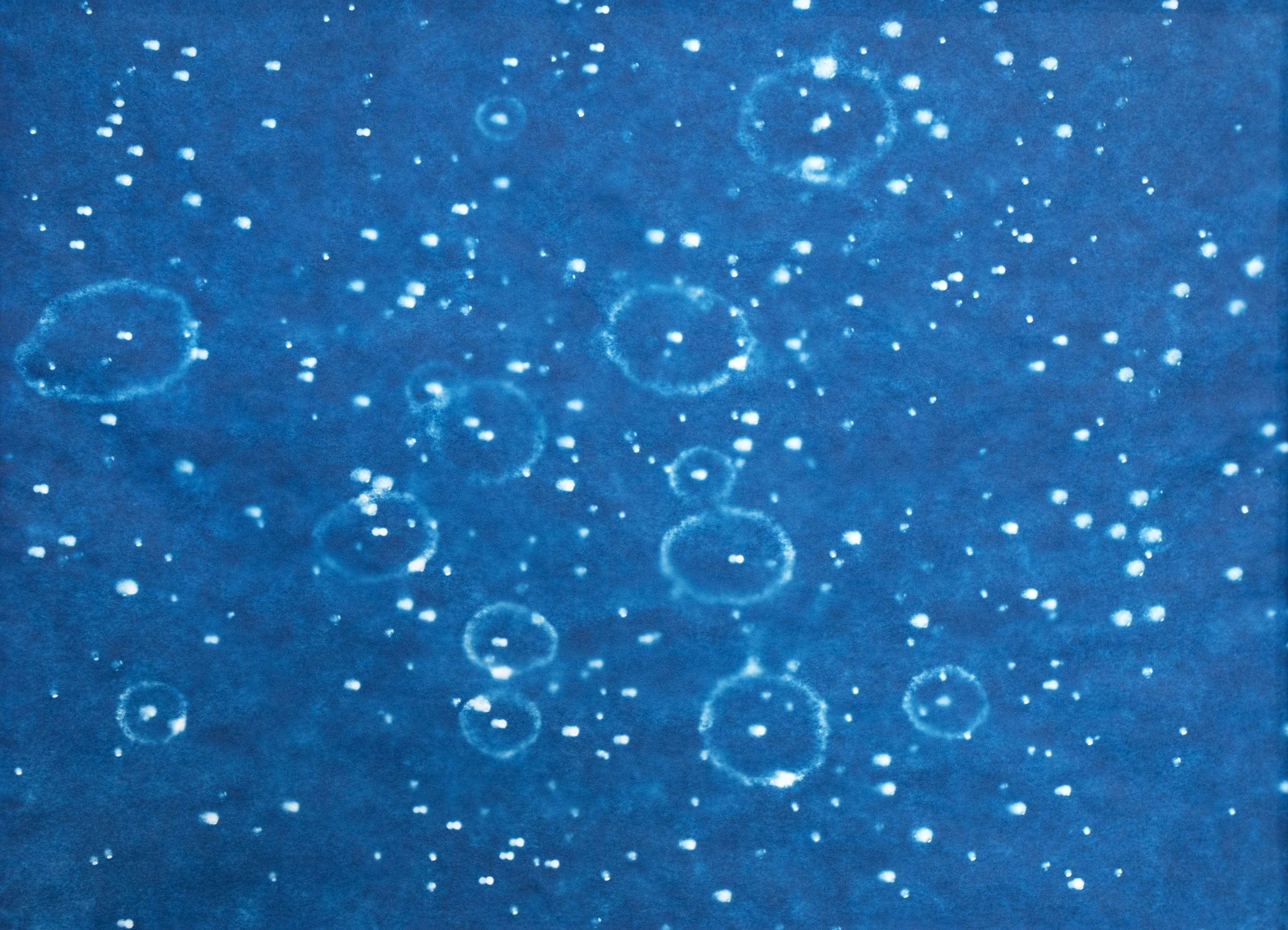
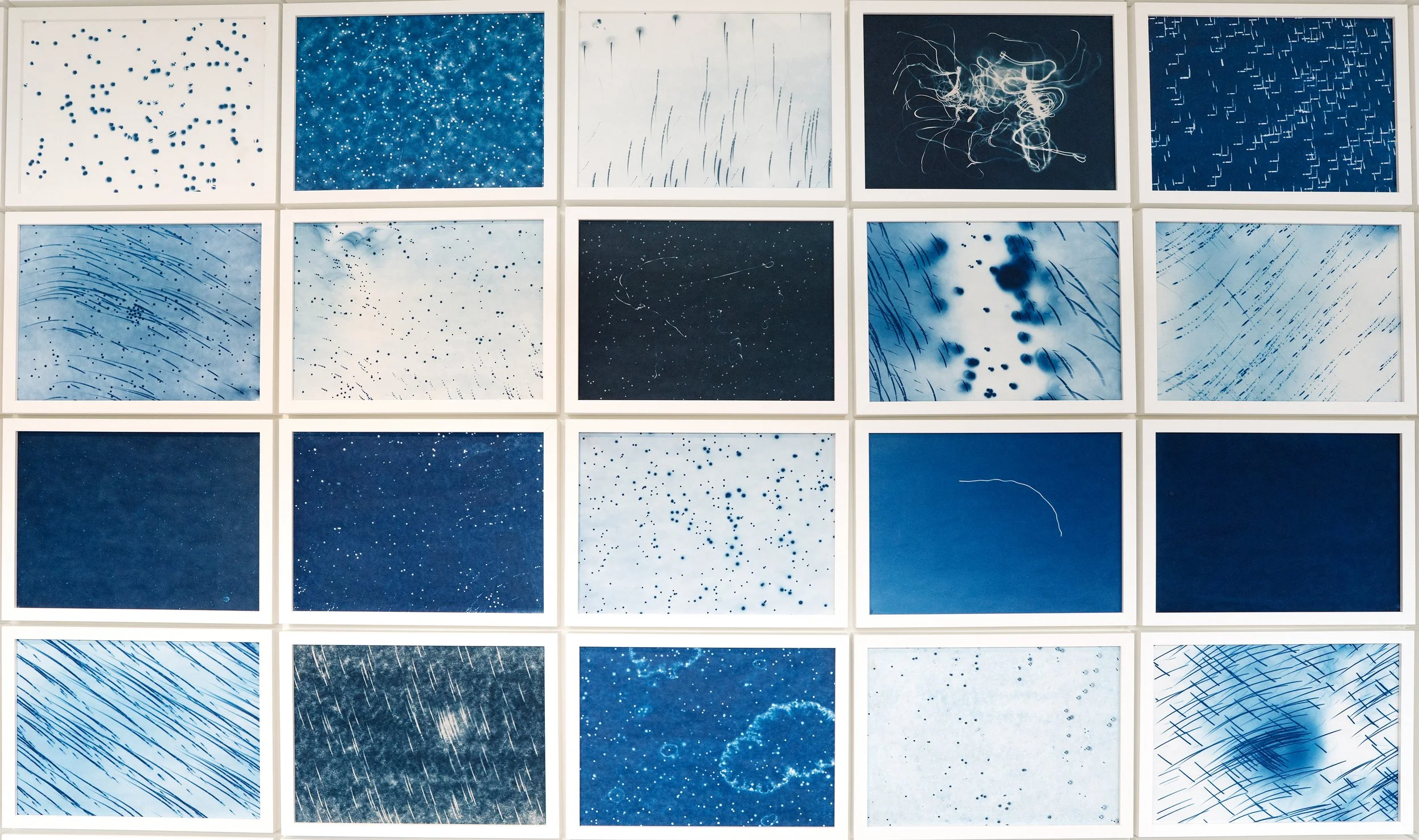
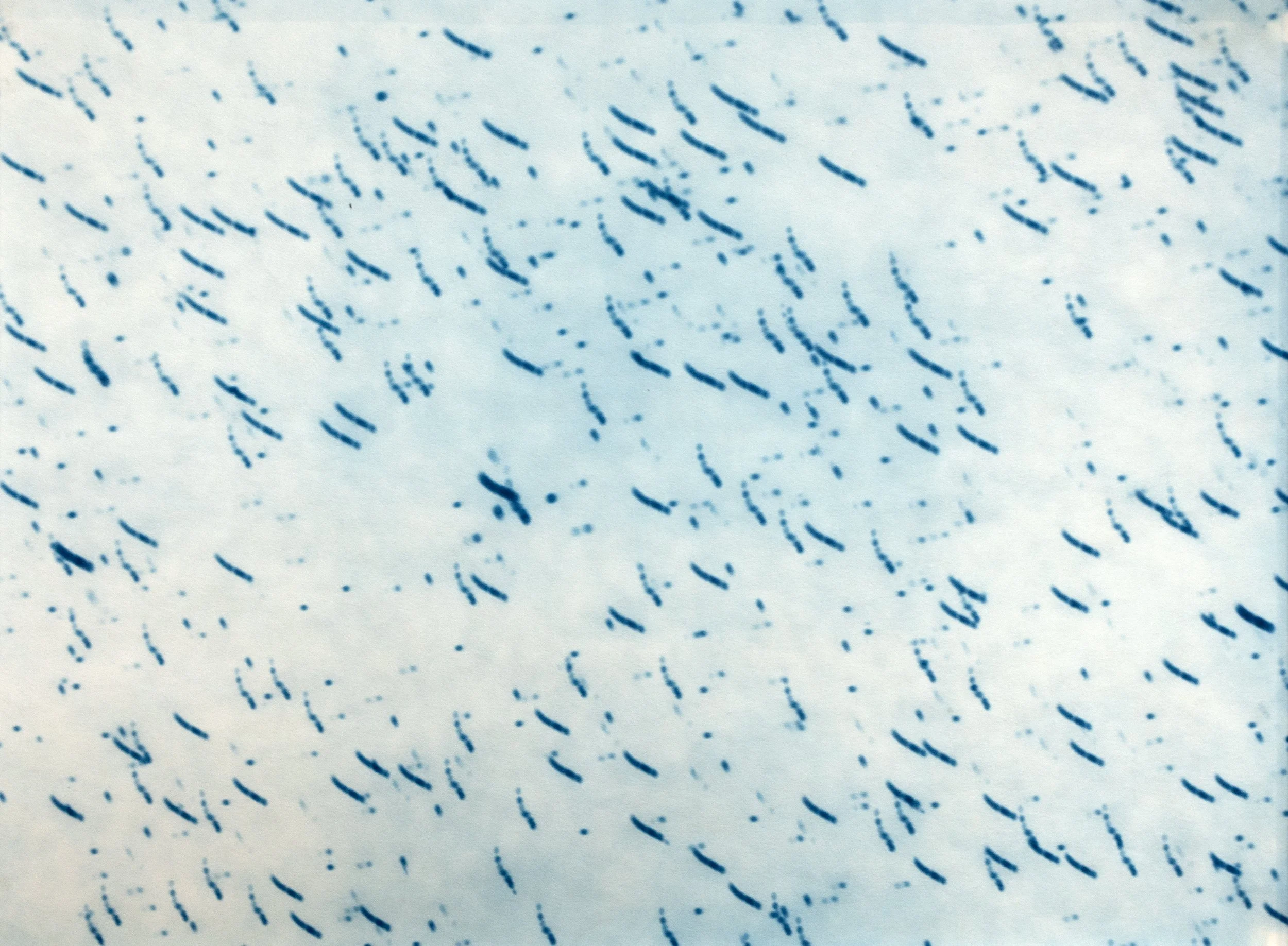
For Firmament , Wylie and Kallivayalil combined this encyclopedic star survey with the historic photographic process, to create a 114 print panel that renders the process of archiving the cosmos in the form of a tactile, beautiful and approachable object. While these cyanotypes depict star locations and the movement of the sun, they also encode technical concepts like survey design and data preservation. The plate becomes a ‘negative’, through which starlight passes, producing unique and unpredictable prints through experimentation and manipulation.